
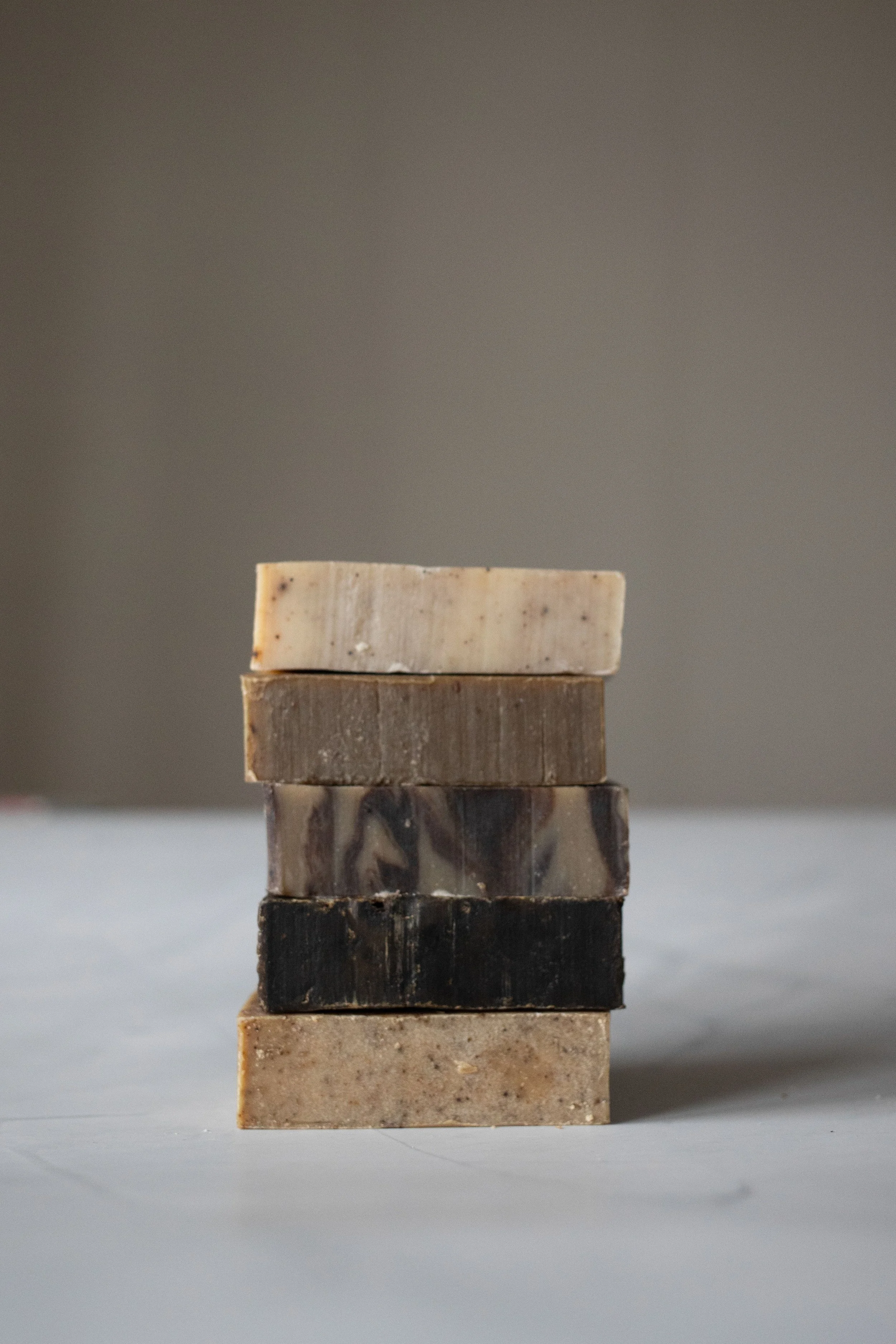
Choosing a handcrafted or cold-process soap when your skin is sensitive can feel risky, even products marketed as "natural" or "gentle" may contain fragrance components or botanicals that trigger reactions. This guide gives clear, practical criteria you can use at the point of purchase and a simple home test to reduce the chance of irritation.
1. Start with label signals and what they mean
Look for explicit, readable ingredient lists. In the U.S., law permits complex scent mixtures to be listed simply as "Fragrance," which hides individual perfume ingredients and potential allergens. When you see "Fragrance" or "Parfum," treat it as a signal to proceed cautiously: ask the brand for a fragrance disclosure or choose unscented bars.
Also watch for botanicals and essential oils. Ingredients like lavender, citrus oils, or chamomile can be natural but still sensitizing, especially if oxidized. If you have known sensitivities, prefer bars that state specific essential oils (e.g., "lavender oil") rather than broad botanical blends.
2. Prioritize simple, intentionally formulated bars
Smaller ingredient lists reduce the number of potential triggers. Bars built from a few base oils (olive, coconut, sunflower, castor) and a minimal additive set are easier to evaluate. Look for notes such as "dye-free," "no added fragrance," or "unscented" rather than terms like "natural fragrance."
Be aware that claims like "gentle" or "for sensitive skin" are marketing statements and not standardized guarantees. Use them as one data point, but pair them with ingredient-level verification and testing.
3. Understand superfat and pH, but don’t rely on them alone
Superfat (a deliberate lye discount that leaves a small percentage of oils unsaponified) can increase perceived moisturization. Typical artisanal ranges are around 3 to 6%. While helpful for feel, superfat does not guarantee your skin won’t react, alkaline pH and specific sensitizing additives still matter.
Similarly, some sellers cite pH as a safety indicator. pH influences skin feel, but a low pH alone doesn’t eliminate allergenic fragrance components or botanical sensitizers. Treat superfat and pH as supportive context, not proof of compatibility.
4. Ask the right seller questions before buying
Does the product contain "Fragrance" or list specific scent ingredients?
Are essential oils named individually, and can the brand identify common allergens within them (e.g., linalool, limonene)?
Is the bar unscented or are dye-free options available?
What is the superfat percentage, and what base oils are used?
Do you offer sample sizes or a trial policy for sensitive-skin customers?
5. Perform a conservative at-home patch test
Patch testing is the most practical single step to catch immediate or delayed irritation. Procedure:
Choose a small, discreet area of skin, inner forearm or behind the ear.
Wet the bar and rub it gently to create a small lather; apply that lather to the test area and let it dry.
Observe the spot twice daily for 7 to 10 days. Look for redness, itching, swelling, blistering, or prolonged dryness.
If any reaction appears, stop use immediately. If no reaction occurs after 7 to 10 days, you can cautiously try the bar on a larger area.
This approach helps detect both immediate contact irritation and some delayed, immune-mediated responses. It won’t catch every possible sensitivity, but it significantly reduces the chance of a full-face reaction from a new soap.
6. Practical shopping strategies to reduce risk
Buy sample sizes or single bars before committing to multi-bar bundles.
Favor vendors who voluntarily disclose fragrance components or who sell an unscented line.
Choose bars with simple oil blends and explicit labeling for dyes and additives.
Consider syndet or low-pH cleansing options if you have severe sensitivity, these are formulated differently from cold-process soaps and can be less likely to irritate.
7. When to consult a professional
If you have moderate to severe eczema, chronic dermatitis, or a history of marked allergic reactions, consult a dermatologist before trying new products. A dermatologist or allergist can recommend patch testing for specific ingredients and advise whether cold-process soap is appropriate for your skin.
Takeaway
People with sensitive skin can often enjoy handcrafted and cold-process soaps safely if they use intentional selection criteria: read labels carefully, avoid unnamed "Fragrance," prefer simple formulations, ask sellers for ingredient details, and perform a conservative 7 to 10 day patch test. These steps reduce risk and let you discover soaps that deliver the texture and care small-batch makers aim to provide.